
Most travelers assume that going solo or self-guided saves money and offers more freedom. But guided visitors spend 20% more per trip, and that extra investment consistently translates into richer, more meaningful experiences. The truth is, a skilled local guide does not just recite facts. They reshape how you see a place entirely. In this article, we break down why local guides matter more than ever, what separates a true professional from a casual host, how guiding style affects your satisfaction, and how expert guides handle the moments that can make or break a trip.
Table of Contents
- Why local guides matter: More than facts and figures
- What makes a true professional guide: Training, skills, and values
- Guiding styles and their effect: Creating memorable travel experiences
- Handling challenges: Edge cases, safety, and cultural sensitivities
- The real value of local guides: Why it's more personal and essential than ever
- Curate your next journey with expert local guides
- Frequently asked questions
Key Takeaways
| Point | Details |
|---|---|
| Guides boost travel value | Visitors with local guides spend more and gain richer travel experiences. |
| Certification matters | Certified guides undergo rigorous training for safety, context, and quality. |
| Styles shape memories | The way a guide leads directly impacts group satisfaction and lasting impressions. |
| Expert handling of challenges | Professional guides keep travelers safe and comfortable, even in difficult situations. |
Why local guides matter: More than facts and figures
Local guides are often seen as optional extras, a nice touch but not a necessity. That perception is wrong, and the data backs it up. Beyond the spending boost, local guides are economic engines for their communities, cultural bridges between visitors and residents, and safety nets when things go sideways.
The tour and travel guide sector employs 55,800 people in the United States alone, with an 8% growth rate projected over the next decade. That expansion reflects a real shift in traveler priorities. People are moving away from passive sightseeing and toward active, story-driven experiences. Guides are at the center of that shift.
Here is a snapshot of what local guides contribute across key dimensions:
| Dimension | Impact |
|---|---|
| Economic | Guided travelers spend 20% more per trip |
| Employment | 55,800 jobs in the U.S., growing at 8% |
| Cultural exchange | Guides translate local customs and history in real time |
| Environmental stewardship | Certified guides promote responsible tourism practices |
| Safety | Guides manage emergencies and navigate sensitive situations |
The benefits go well beyond what you can read in a travel guide economic data report. Consider what actually happens during a guided tour. A guide notices when a traveler looks lost or overwhelmed and adjusts the pace. They redirect the group away from a neighborhood that has become unsafe. They share a story about a street corner that no app or audio tour would ever surface.
"Local guides are not just interpreters of place. They are co-creators of the travel experience, shaping how visitors understand, feel, and remember a destination."
What guides contribute can be grouped into four core areas:
- Economic uplift: Spending is channeled into local businesses, artisans, and restaurants through guide recommendations
- Cultural connection: Guides provide real-time context that turns monuments into living stories
- Environmental responsibility: Trained guides educate travelers on conservation and minimize site damage
- Personal safety: Guides assess risks, manage group dynamics, and respond to emergencies
When you factor all of this in, the 20% spending premium starts to look less like a cost and more like a return on investment.
What makes a true professional guide: Training, skills, and values
Not every person who offers to show you around qualifies as a professional guide. The gap between a casual local host and a certified guide is significant, and understanding that gap helps you make smarter booking decisions.
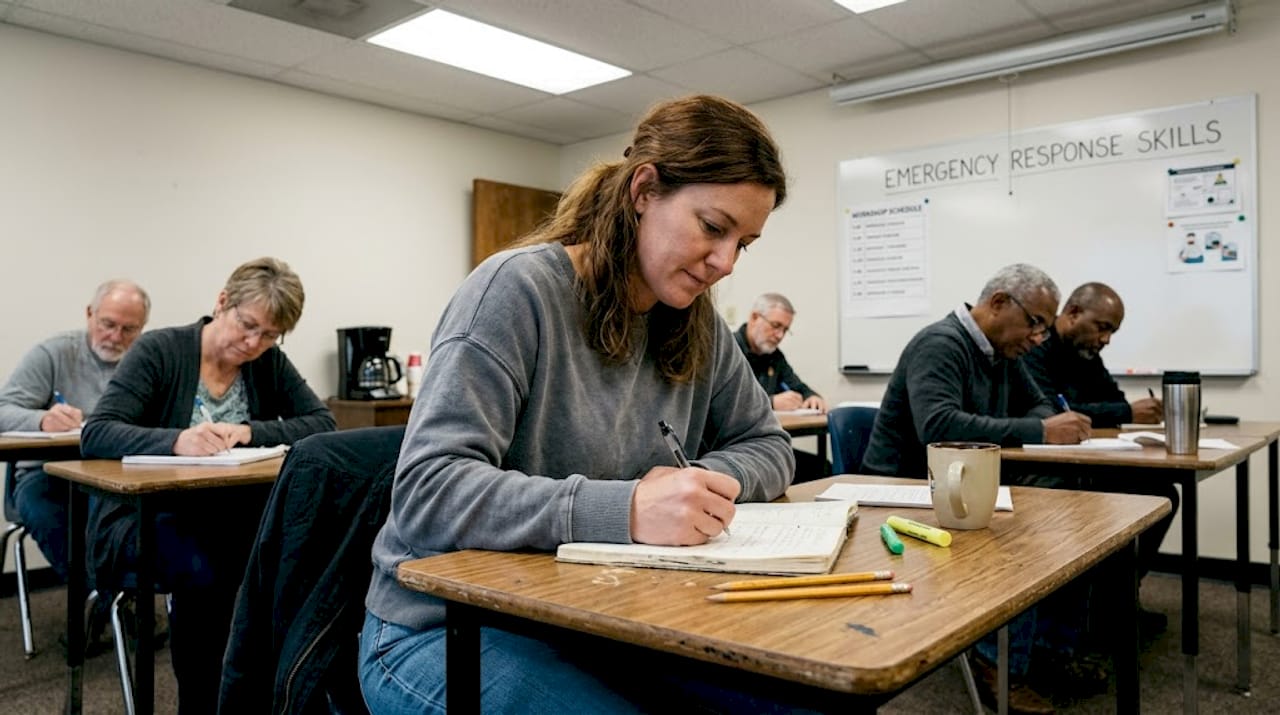
Certification programs can require 1000+ hours of training, covering history, geography, ecology, emergency response, communication, and ethics. That is not a weekend course. It is a serious professional commitment. And the payoff for travelers is enormous.
Here is how citizen guides and certified professionals compare:
| Feature | Citizen/local guide | Certified/professional guide |
|---|---|---|
| Training hours | Minimal or informal | 1000+ hours in many programs |
| Cultural knowledge | Personal and anecdotal | Structured, research-backed |
| Language skills | Variable | Assessed and often multilingual |
| Emergency training | Rare | Standard in most certifications |
| Ethical standards | Inconsistent | Governed by professional codes |
| Sustainability awareness | Limited | Core part of certification |
Key performance criteria for professional guides prioritize cultural knowledge, language proficiency, and ethical awareness above almost everything else. These are not soft skills. They are the foundation of a safe, enriching, and respectful experience for every traveler in the group.
The top skills that distinguish great guides include:
- Deep cultural and historical knowledge that goes beyond surface-level facts
- Multilingual communication that adapts to diverse group compositions
- Safety and first aid training to handle medical and logistical emergencies
- Ethical awareness around sensitive sites, communities, and cultural practices
- Storytelling ability that transforms information into emotional connection
You can explore guide training programs to understand what credentials to look for before booking.
Pro Tip: Before booking any guided tour, ask the guide or operator directly about certification, training hours, and any specialized skills. A confident, transparent answer is a strong signal of professionalism.
Guiding styles and their effect: Creating memorable travel experiences
Here is something most travelers never think about: the style of guiding matters as much as the content. Two guides can cover the same route with the same facts and produce completely different experiences. One leaves the group energized and connected. The other leaves them checking their phones.
Research identifies more than a dozen distinct guiding styles, including attentive, humorous, storytelling-focused, interactive, and authoritative approaches. Each style resonates differently depending on the group's age, interests, and energy level. The best guides read the room and shift their style in real time.
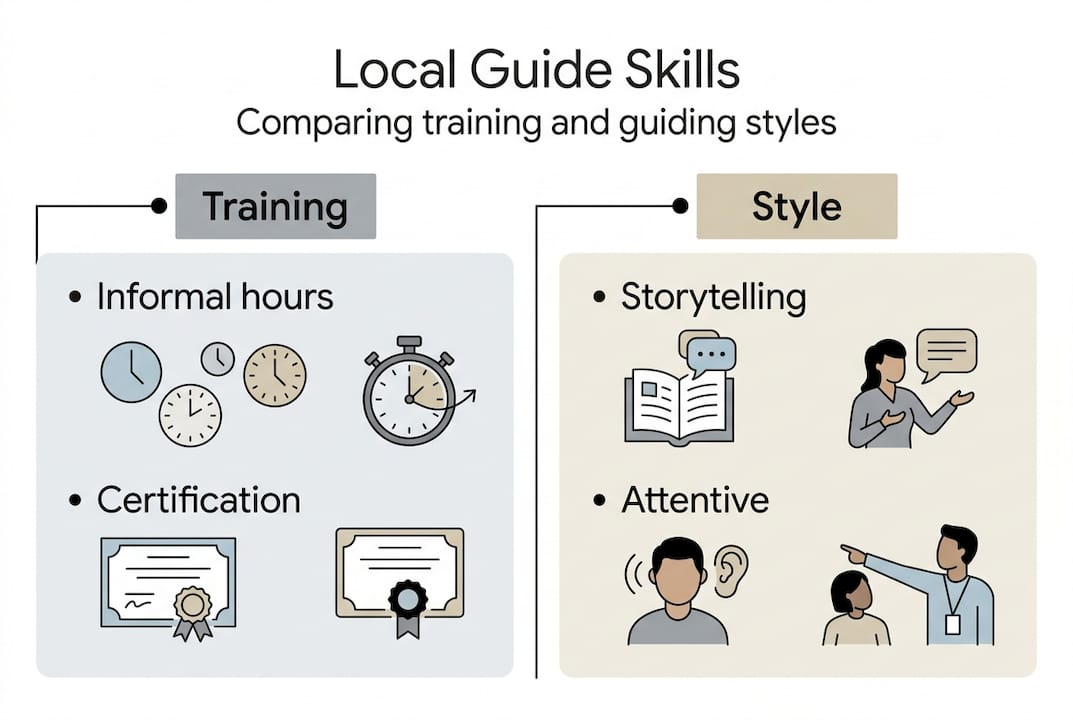
Guiding style directly impacts traveler satisfaction, the likelihood of positive recommendations, and the emotional memories people carry home. That is a powerful finding. It means the guide's personality and communication approach are not secondary factors. They are central to whether you leave a destination feeling transformed or just informed.
Guides typically operate across four key roles simultaneously:
- Logistical coordinator: Managing timing, transportation, entry tickets, and group flow
- Social connector: Building rapport within the group and between travelers and locals
- Cultural interpreter: Translating customs, history, and context into accessible stories
- Interactive facilitator: Inviting questions, encouraging participation, and sparking curiosity
"The most memorable travel moments are rarely about the monument itself. They are about the story the guide told standing in front of it."
Think about memorable guided experiences you have had or heard about. Almost always, the guide is the common thread. A humorous guide in Rome can make ancient ruins feel alive. An attentive guide in Bali can turn a temple visit into a personal conversation about faith and community. Style is the invisible architecture of a great tour.
Statistically, guides who adapt their communication style to group dynamics score measurably higher on satisfaction surveys than those who stick to a single scripted approach. Adaptability is not just a personality trait. It is a professional skill that separates good guides from exceptional ones.
Handling challenges: Edge cases, safety, and cultural sensitivities
Even the best-planned tour will hit friction. A traveler becomes ill. A group member makes an insensitive comment at a sacred site. Someone gets separated in a crowded market. These moments reveal the true depth of a guide's training and character.
Professional guides are trained to handle difficult guests, contentious topics, emergencies, and cultural sensitivities with calm and competence. That training does not happen by accident. It is built into certification programs precisely because these situations are predictable.
The five most common challenges guides face and how they respond:
- Difficult guests: Guides use de-escalation techniques and redirect group energy without embarrassing anyone
- Sensitive or controversial topics: Guides present multiple perspectives and set clear expectations for respectful dialogue
- Medical or safety emergencies: Guides follow first aid protocols and have pre-established contacts with local emergency services
- Group dynamic conflicts: Guides rebalance attention and create inclusive moments that reconnect the group
- Harassment or boundary violations: Guides intervene directly and have protocols for removing individuals from the experience if needed
Pro Tip: When booking a guided tour, ask whether the guide has completed empathy and adaptability training. This signals that the operator takes group well-being seriously, not just logistics.
Before your tour begins, consider asking your guide these questions to set the right expectations:
- What is your background and certification?
- How do you handle medical emergencies on tour?
- What is your approach to culturally sensitive sites or topics?
- How do you manage group pacing for different fitness levels?
- Do you have a backup plan if weather or access issues arise?
You can find guide problem-solving tips and practical booking advice to help you vet your options before committing.
The real value of local guides: Why it's more personal and essential than ever
Here is the uncomfortable truth the travel industry rarely admits: the rise of booking platforms and AI-powered itinerary tools has made it easier than ever to plan a trip and harder than ever to actually feel it. Apps can tell you the hours of the Louvre. They cannot tell you why the woman selling flowers outside has been there for 40 years and what she has witnessed.
There is a real paradox at play. Platforms now connect travelers with "citizen guides" at scale, which sounds democratic and exciting. But the gap between a personable local and a certified professional is not just about credentials. It is about depth, safety, and the ability to hold a group through complexity. Certified guides bring something no algorithm can replicate: emotional intelligence rooted in years of structured experience.
We have also seen, through travel perspectives shared by real travelers, that the guide relationship often becomes the defining memory of a trip. Not the Eiffel Tower. Not the Colosseum. The person who stood beside you and made you see it differently. That is irreplaceable. And as travel becomes more crowded and more commoditized, the human guide becomes not less relevant but more essential than ever.
Curate your next journey with expert local guides
You now know what separates a transformative guided experience from a forgettable one. The right guide changes everything, and finding that guide starts with knowing where to look.
At TravelVibeFly, we make it easy to connect with curated, expert-led experiences across the world's most exciting destinations. Whether you are exploring the vibrant streets with Singapore travel guides or discovering history and culture through Berlin guides, our platform brings together trusted local expertise and seamless booking in one place. Stop settling for surface-level sightseeing. Your next deep, story-driven journey is one click away.
Frequently asked questions
What does a local guide do during a tour?
A local guide shares insider knowledge, manages logistics, ensures safety, and brings cultural context to the group. Guides fulfill instrumental, social, and communicative roles that shape the entire travel experience.
How do I know if my guide is qualified?
Ask about their certifications, training hours, and special skill sets. Professional certification requirements can exceed 1000 hours, covering everything from cultural history to emergency response.
What's the difference between a citizen guide and a certified guide?
Citizen guides offer personalization and local flavor, but certified guides ensure safety and deliver curated, sustainable experiences backed by expert knowledge and professional standards.
Can local guides handle emergencies or cultural issues?
Yes. Guides are trained for emergencies and edge cases, including medical situations, group conflicts, and culturally sensitive moments, using structured protocols and empathy-based approaches.
Recommended
- Home - TravelVibeFly
- Hong Kong: Video Travel Guide | Expedia Asia - TravelVibeFly
- Venice - Video Travel Guide | Expedia Asia - TravelVibeFly
- Patagonia Video Guide | Expedia - TravelVibeFly
- Why guided dives in Bali offer safer, richer adventures
- Road trip tra Vík e Kirkjubæjarklaustur: guida autentica | Fox Hostel – South Iceland